Heritage conservation
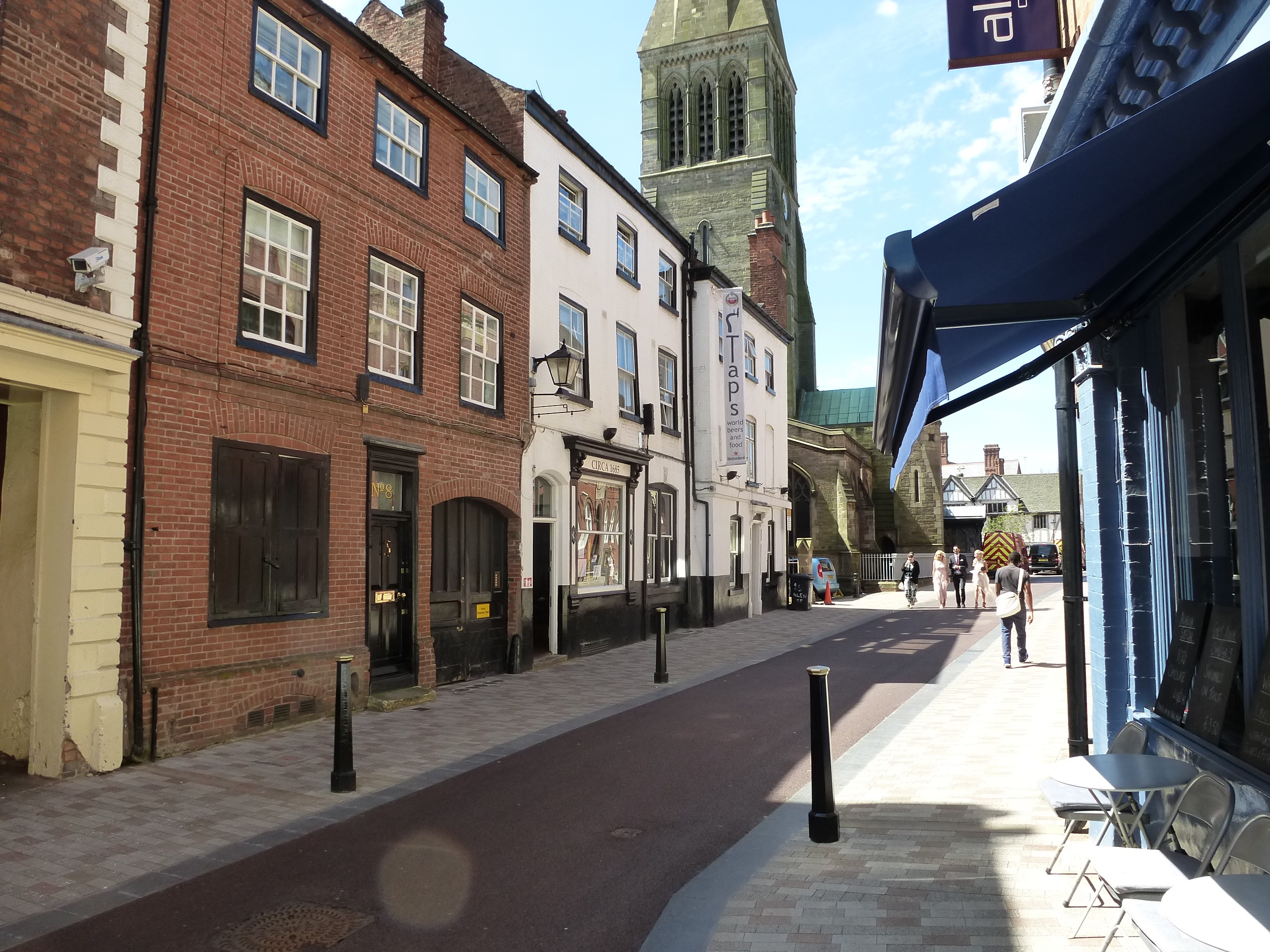
Information about heritage protection in the city of Leicester and what actions we're taking.
Quick links
Heritage action plan
We have put together a Heritage action plan with the Heritage Partnership which sets out the way forward for the historic environment over the next five years. You can download the plan at the bottom of this page. To search for a property by address to see if there are any heritage designations in place, follow the link above.
National designations
Scheduled monuments
Scheduled monuments are the most historic sites in Leicester. They are protected by a separate consent regime administered by Historic England. There are 10 monuments in Leicester and a list can be found at the bottom of this page.
Listed buildings
Listed buildings are designated by Historic England for their special historic or architectural interest. Listed building consent is required for any works, external or internal, which affect the special character of the building. Failure to obtain the necessary listed building consent is a criminal offence.
A list of listed buildings in Leicester can be downloaded below, and more information is available on the Heritage Gateway using the link above.
Historic parks and gardens
Historic parks and gardens are designated because of their historic layout, features and architectural ornaments. There are six designations in Leicester. Further details can be found on the Heritage Gateway using the link above.
You can also find out more information on these locations by downloading the 'Historic parks and gardens in Leicester' document at the bottom of this page.
There is no specific consent regime but they area a material consideration in any planning application and expert bodies including Historic England may need to be consulted.
Local designations
Conservation areas
We designate conservation areas in parts of Leicester which have special architectural or historic interest. Properties in conservation areas tend to have stricter planning controls in place.
There are 25 conservation areas in Leicester at present. Details can be found on the conservation areas page.
Local heritage assets
Local heritage assets are buildings, structures, parks and gardens and archaeological sites which we have been identified as having heritage importance. The special character of these assets will be a consideration in any planning application.
Some properties on the register are covered by Article 4 Directions, which restrict works which can be done without planning permission.
Historic building grants
If your property is considered a local or national heritage asset, you may be eligible for a small grant towards the repair or restoration of historic features. An application form can be downloaded at the bottom of the page.
Conservation advisory panel
The conservation advisory panel meets monthly and is made up of local historians, architects and relevant experts who give heritage advice on planning applications with significant heritage implications. Minutes can be found in the quick link above.
Leicester's archaeology
Leicester is a city with a long and illustrious past; stretching from the time when the first prehistoric people passed through the area, to the rich and varied city we see today. Highlights of this past include development of the Roman city and establishment as a tribal capital in the second century AD; it being the location of the main residence of the Dukes of Lancaster in the fourteenth century; and the prosperity brought about by the hosiery industry in the nineteenth and early twentieth centuries.
Leicester has a clearly defined historic core. This is the area within the town defences first established in the Roman period and re-adopted in the medieval period, along with areas outside those defences in which it is known that there were Roman cemeteries, Roman or medieval suburbs and medieval religious houses.
The city's historic core is defined as an 'archaeology alert area' to indicate to prospective developers where development is most likely to have an impact upon archaeological remains. Anyone considering substantive development in this area is advised to contact the city archaeologist.
Elsewhere on the web
Historic England provide advice on:
For advice on saving and preventing damage to old buildings visit The Society for the Protection of Ancient Buildings (SPAB).